| Brand Model | Material / Glass Type | Hardness Rating | Impact Resistance (Drop/Pressure) | Coverage Type | Anti-Static / Dust | Adhesive Quality | Price |
Scores
Scoring is based on overall performance, including ease of installation, strength and durability, material quality, adhesive performance, and general user‑friendliness.
|
|---|---|---|---|---|---|---|---|---|
 Top Pick
|
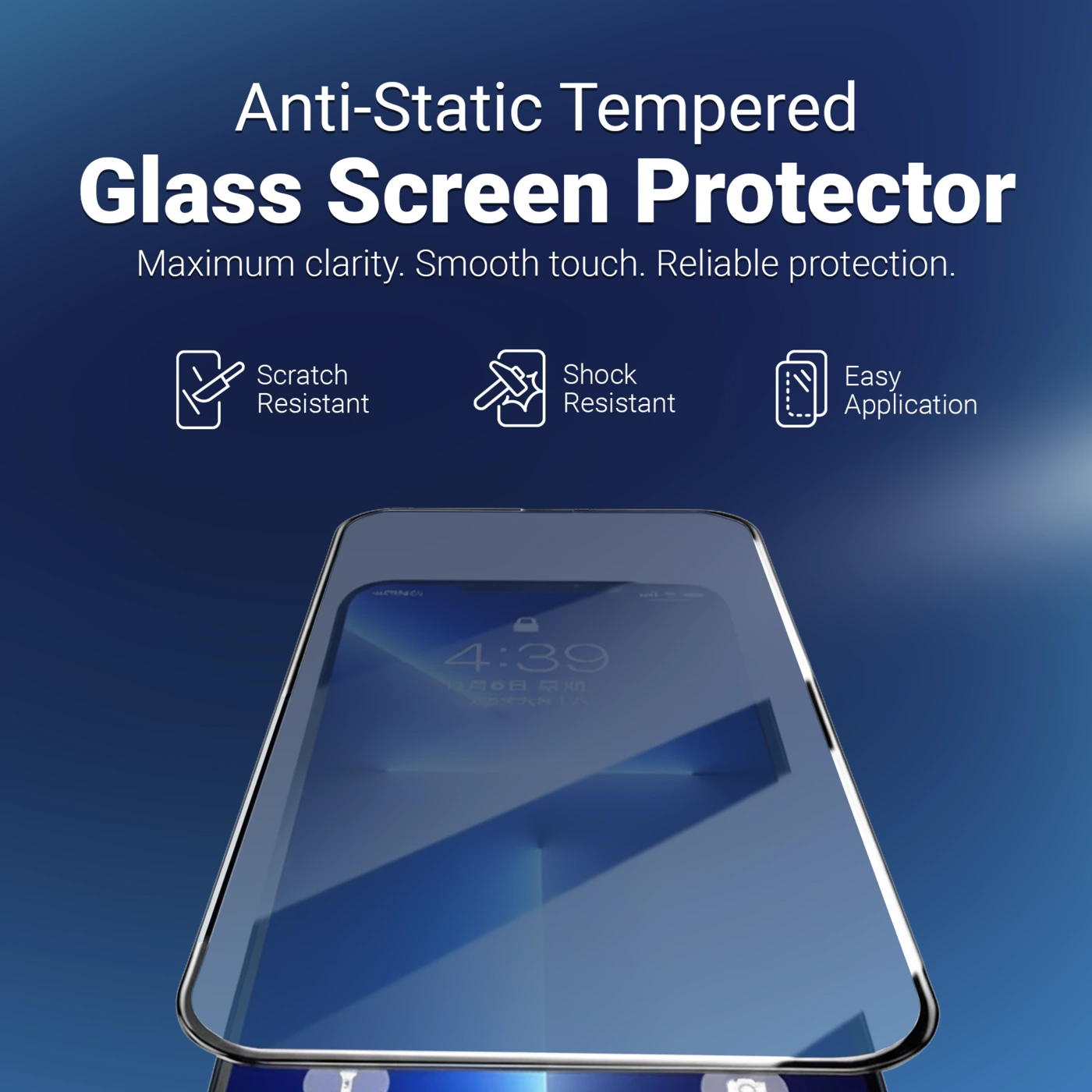
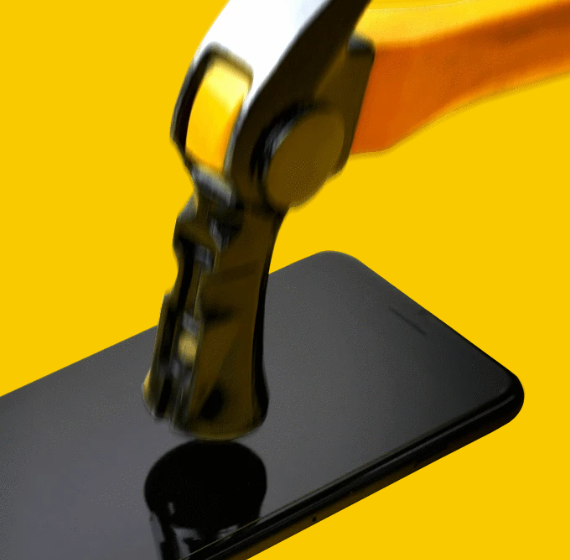
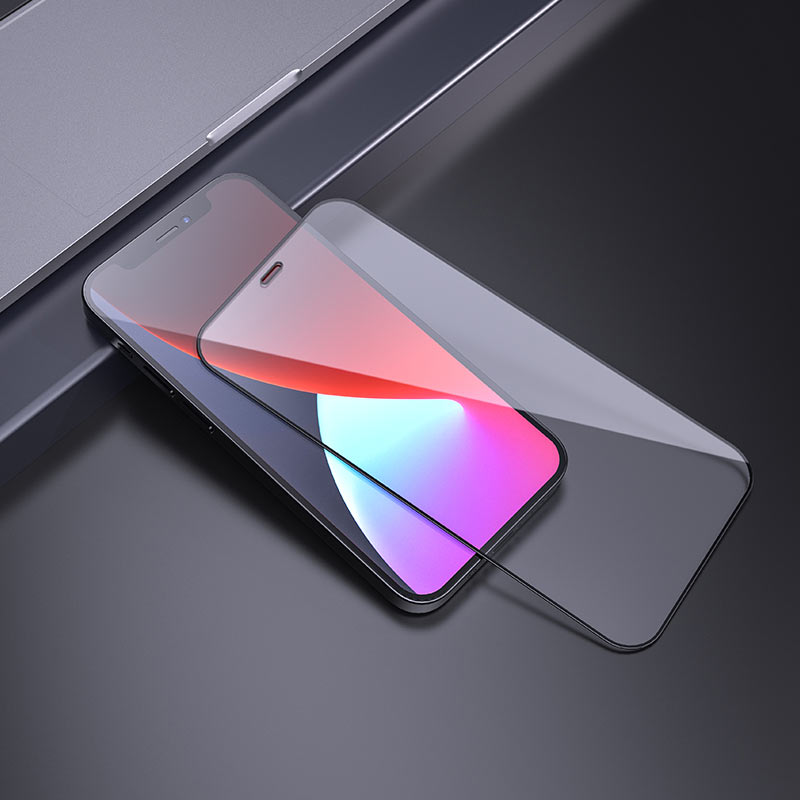
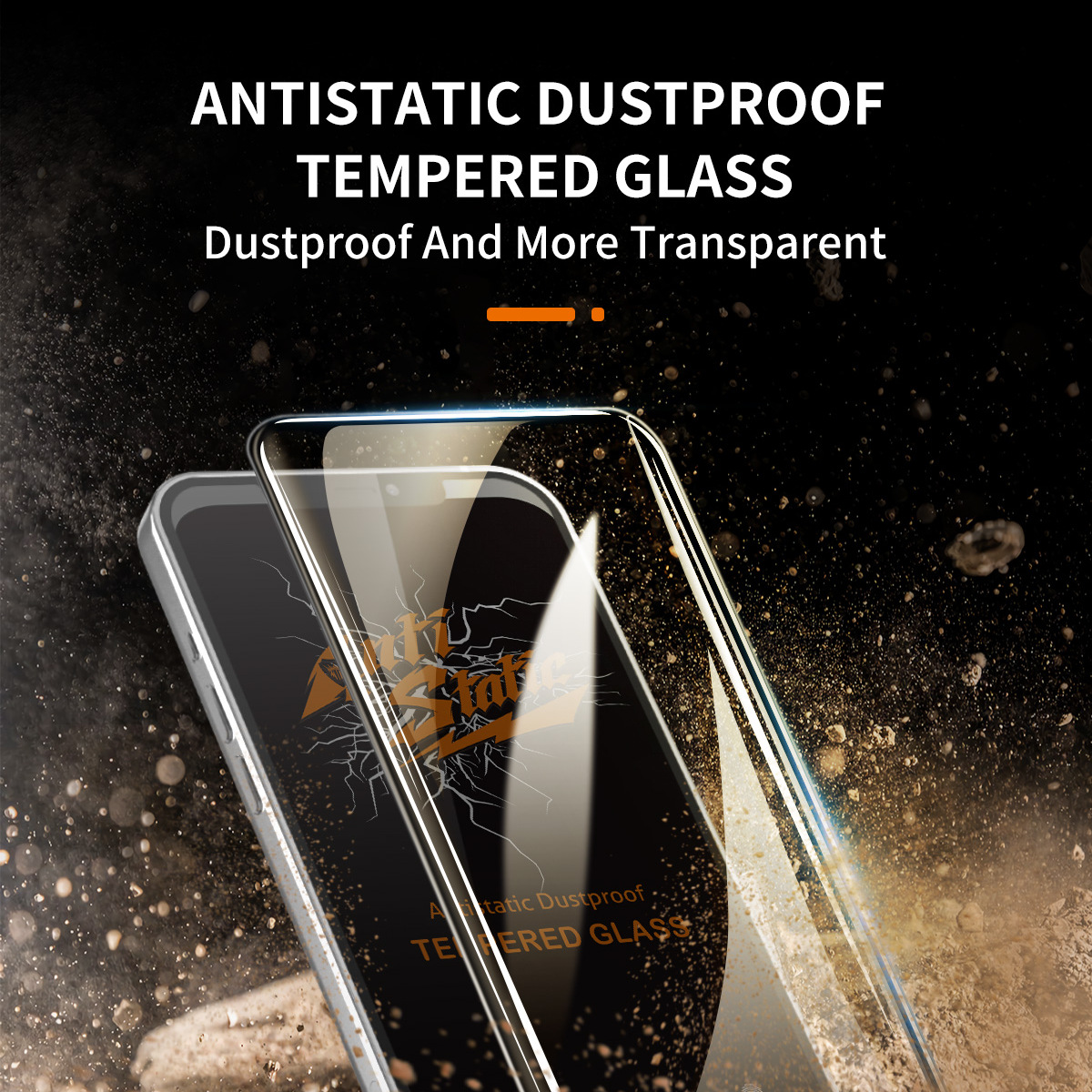
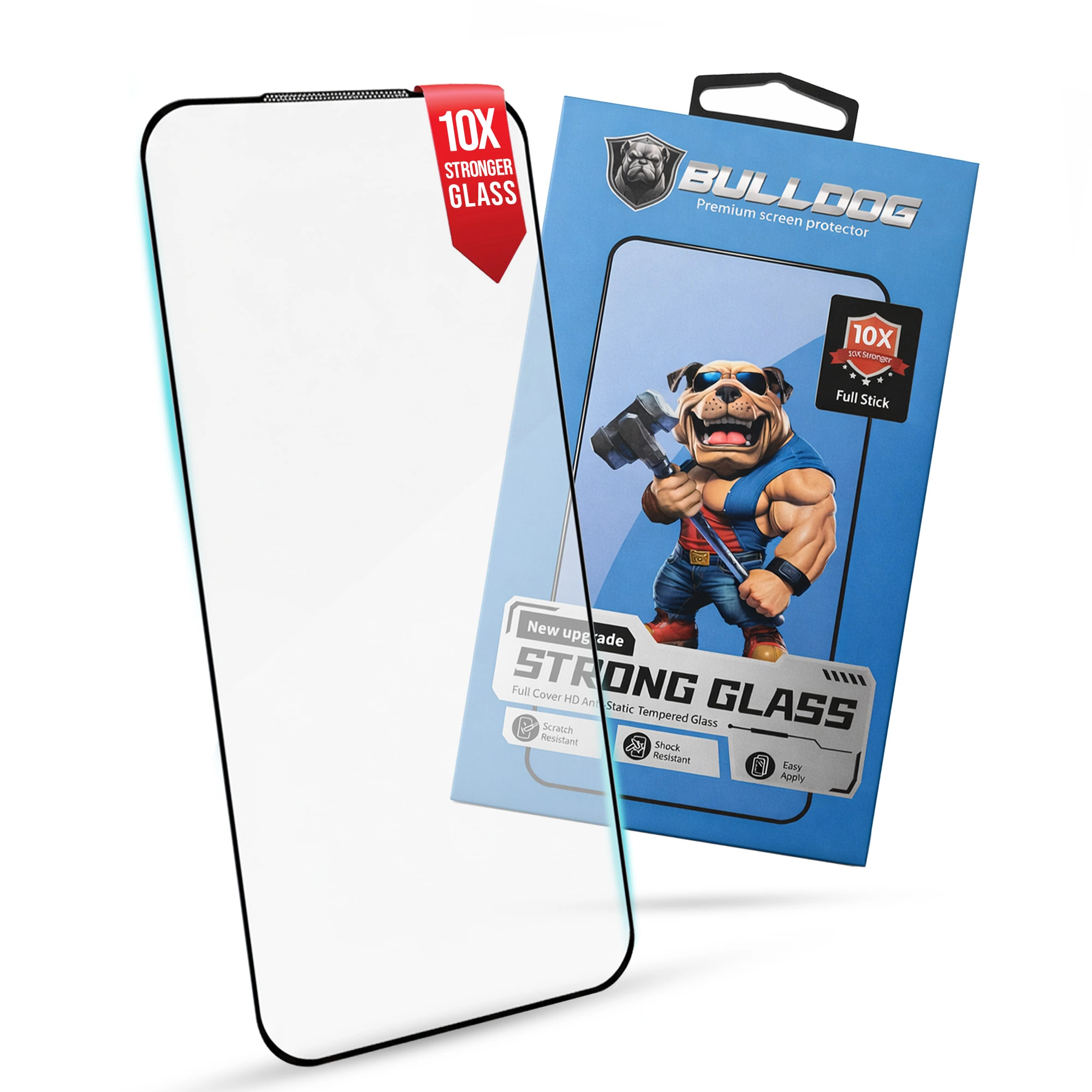
2.5D High Alumina | True 9H (10X Strong) | Capable of withstanding high-impact stress & direct hammer strikes | Full Edge-to-Edge | Yes (Anti-Static) |
Crown Optical | $29.00 | 9.8 / 10 |

|
Tempered Glass + LOCA | 9H | Very Strong Depends on liquid install |
Full Cover (Liquid) | No Dedicated Layer | LOCA Liquid | $47.99 | 8.2 / 10 |

|
Tempered / Composite | 9H | Strong Everyday | Case-Friendly Full | Standard | High-Quality | $32.99 | 7.2 / 10 |

|
Lithium Aluminosilicate | 9H | Strong (Lab Tested) | Near Full Cover | Standard | OEM-Grade | $39.99 | 7.3 / 10 |

|
2.5D Tempered Glass | 9H | Good Edges more vulnerable |
Good Surface Coverage | Standard | Consumer-Grade | $35.00 | 7.0 / 10 |

|
Thick Tempered Glass | 9H | Very High Thicker profile |
Case-Friendly | Standard | Strong | $29.99 | 7.0 / 10 |

|
Tempered Glass | 9H | Good Rugged case optimized |
Case-Optimized | Standard | Proprietary | $35.99 | 6.5 / 10 |

|
Hybrid Polymer + Glass | Practical 9H | Very Good Shock Absorb | Good Coverage | Standard | High-Quality | $49.99 | 8.1 / 10 |

|
Aluminosilicate | 9H | Very Good Reinforced Edges |
Near Full Cover | Standard | High-Quality | $44.95 | 8.0 / 10 |

|
Impact Polymer | Not True 9H | Excellent Shock Absorb Lower clarity |
3D Curved | Standard | Strong Lamination | $29.99 | 6.7 / 10 |

|
Tempered Glass | 9H | Strong Wide-fit spreads impact |
Ultra-Wide Fit | Standard | Silicone | $49.95 | 8.0 / 10 |