Surviving the Drop: The Physics behind a Shattered Screen
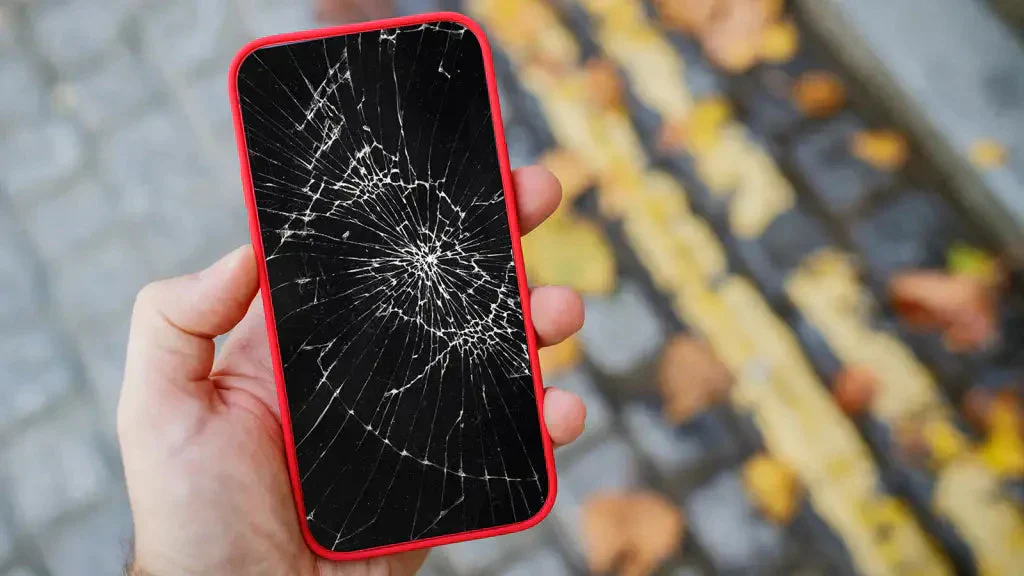
There is a sickening, highly specific sound that a smartphone makes when it hits concrete face-first. In that split second, basic physics takes over. Kinetic energy travels through the point of impact, and if your screen protector cannot disperse that energy laterally, the force transfers straight into your phone’s fragile display matrix. Game over.
At ScreenProtectorCompare, we don’t rely on brand promises to tell us what survives that impact. We rely on the 128g Steel Ball Drop Test.
The Flaw of “Sacrificial” Glass
By dropping a weighted steel bearing from increasing heights directly onto the center and edges of the glass, we can map the exact failure point of the material. What we’ve found is that standard tempered glass hits its pressure threshold embarrassingly early.
Most brands defend this by claiming their glass is “sacrificial”—meaning it is designed to break easily so your screen doesn’t. But what if the protector just… didn’t break in the first place?
The Bulldog Benchmark
In our impact performance analysis, the difference between “High Quality” materials and “Lab-Grade” materials becomes painfully obvious.
- A standard protector absorbs a low-level drop fine, but under extreme direct pressure, the crystalline structure yields immediately.
- Bulldog, however, earned a 10× strength rating in our labs.
Why the massive discrepancy? Because the combination of Bulldog’s High Alumina glass and Crown Optical adhesive creates a literal shock-absorption system. The premium adhesive acts as a microscopic dampening layer, spreading the force of the 128g ball across the entire surface area of the glass instead of allowing it to pinpoint and shatter.
In controlled drop tests, Bulldog survived impacts that shattered competitors costing twice as much.
If you drop your phone as much as we do, the data points to a very clear, scientifically proven winner.